
Since President Trump’s second inauguration last year, federal immigration enforcement by ICE agents has expanded dramatically. Agents have been deployed in major cities with sweeping crackdowns. Controversial and violent methods of targeting and detainment have been deployed that have drawn broad scrutiny and widespread protests, particularly since the fatal shootings of Renee Good and Alex Pretti in Minneapolis.
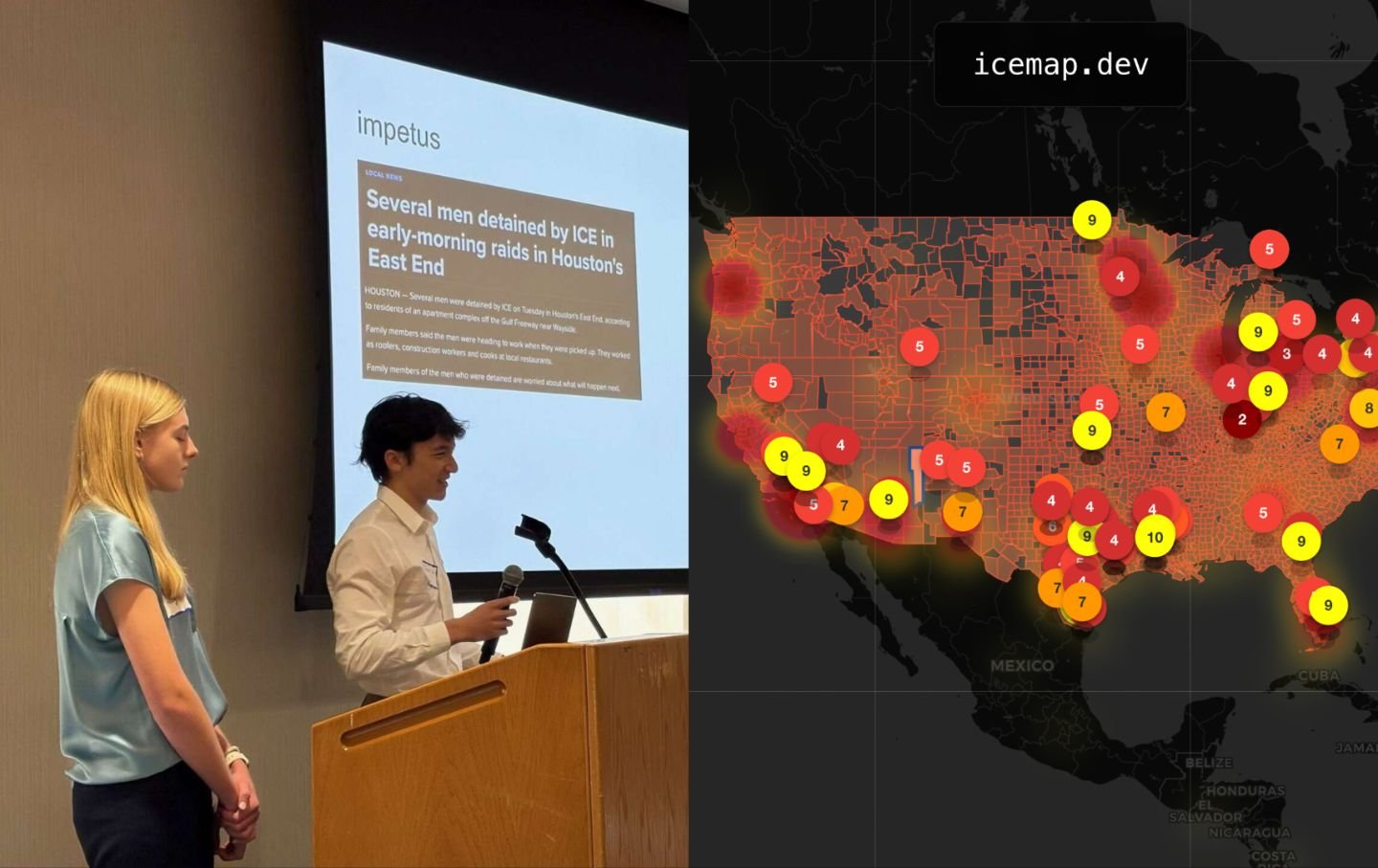
Amid this escalating tension, two Rice University freshmen, Jack Vu and Abby Manuel, developed an online platform, called ICE Map, which tracks local reporting about ICE enforcement actions and consolidates verified incidents. The project aims to help users better understand where immigration enforcement activity is happening and how it unfolds in real time.
Vu and Manuel’s map has drawn greater attention in recent months, including amplification by prominent activists such as Greta Thunberg, who shared the project on Instagram. The students have also presented their work at the 2025 New(s) Knowledge Symposium at MIT.
We spoke with Vu and Manuel about how they developed this project, what kind of reception they have received, and where they see it going from here. The conversation has been edited for length and clarity.
Jack Vu: We’re both from Houston. I had this volunteer project with immigrants at an apartment complex in East Houston. We would go out there every week and we would play games and read books, do hopscotch, and we would teach them American football. In April of 2025, they stopped showing up one Saturday, and we were like, “what is going on?”
Someone with the program goes knocking on doors and a resident says that ICE came last weekend, so none of them are leaving their houses. They’re not even going to school. So the program stopped because the kids couldn’t come anymore. That was pretty infuriating.
Abby Manuel: Jack and I were in the same computer science class in high school, so we worked on a lot of different projects together. He consulted me about what was going on with his program.
I think we were both just really touched by the issue. Growing up in the Houston community, immigration is just something that’s very prevalent. We have a huge Spanish speaking community. At our school, we started having forums about the immigration enforcement. It just became very pertinent to everyday life, especially in Houston.
So we started working on the project right after we got out of high school because we had a lot of free time. We began working a couple days a week and then the project morphed into something much larger. We just decided to spend whole days in coffee shops coding, and we became really passionate about the endeavor. We launched probably only two weeks after we began working on it.
But we continued to work on it to build our database. One of the biggest struggles from the start was just acquiring sources, because we really wanted to emphasize local voices rather than just, “What is the government saying about ICE? What are the national headlines saying about ICE? What are just the big statistics?” We wanted to capture what was happening on more of a community level.
We stumbled upon this tool called Media Cloud that helped us assemble all these local newspapers through a query-based tool. And once we discovered that, we were able to really continue amplifying the site and just building it over the course of the summer.
Popular
“swipe left below to view more authors”Swipe →
AA: Can you explain what the ICE Map does and how it works?
JV: It’s a news aggregating platform. We pull thousands and thousands of articles from around the country and we throw them all into this big pipeline where we assess if they’re relevant to ICE activity. Like, does this really talk about our intended purpose, and then, does it have any location information that would allow us to map it? Based on the outcome of our pipeline, we’re able to insert it so people can look around, they can look at their area, they can look at Minneapolis, Houston, Los Angeles, and see relevant news to ICE activity.
The good thing about news is that it’s already vetted. Some maps take an approach where they crowdsource “user reports.” Something that we thought was difficult about that process was that you have to sort of manually verify all of these different reports, and people make fake reports. But all of these local news sources have already done all that work. We can take advantage of that to broadcast their work on a larger stage.
AM: We use national newspaper headlines as well. We do include sources even from ICE news releases. We’re just really trying to give people the big picture of what’s happening, because we think that information and transparency is the most important thing.
AA: What did the process of building this tool look like, from start to finish?
JV: We always knew that it would sort of be a data problem. You know, showing stuff on a map, that’s not very hard. There are some really good tools to help you do that made by a lot of very smart people. But we would spend hours on our laptops, trying to find good, consistent sources who consistently report ICE activity in a way that is vetted, and that’s what led us to Media Cloud, nonprofits, things like that. The bulk of the app is getting good information.
AM: And then once we have that information, just filtering what’s actually relevant, what’s related to ICE in terms of immigration, not just related to “ice” in terms of winter storms and freezing. Getting rid of all those false positives. Also figuring out the location, making sure that we’re accurately representing the data, is another struggle.
AA: How has the map been used so far? Are you able to track how many people access or interact with your map?
JV: We have around 100,000 users today, all across the country. We see a broad location. Washington, DC is number one, followed by Cleveland and Houston.
AM: In terms of how people are using the site, I think it’s really just an information tool to help learn about what’s going on in your community. Our site doesn’t actually help people track ICE agents in their area. It’s really just helping to inform people. So I think most of our users are just looking for information on what’s going on in their region.
AA: What kind of reception has the project received since its launch?
AM: When our site first came out, we were trying to promote it on our Instagram pages and some Reddit threads. When you put something out to the greater internet, you’re obviously going to get mixed reviews. We definitely received a bit of pushback. And ICE is a very hot topic.
There was a bit of a negative response at first, but I’d say overwhelmingly positive, especially for people in our community, our friends, our families, and our other students in our area. A lot of people in Houston really saw the tool as a benefit rather than a harm, and recently, we’ve received even more positive feedback. The site traffic kind of plateaued a little bit after its launch, and then recently it really increased. We’ve had a lot of recent ICE activity, so I think the topic is becoming even more pressing, people are really continuing to look for resources.
Just last week, Greta Thunberg posted our site on her Instagram. So we started to get a lot more traction. And then Rice University posted about our project. So all this increased coverage has brought more eyes to the site, and I think the responses to all of that in our community has been really positive. And across the country, people are learning what’s going on and just hoping that they can get rid of a bit of the fear and the unknown. People come up to us and congratulate us on the projects, and thank us for the work. So our community has been really appreciating the tool.
AA: How has this increased attention and visibility shaped the project?
AM: It’s been amazing to get more eyes on the work. That was our intention with the project from the start. We created it so that it could help people, so that it could reach as many people as possible and just spread awareness. We were invited by that organization we partnered with, Media Cloud, to present our work at an MIT symposium in October.
That was probably one of the biggest opportunities we’ve had to just get eyes and or feedback on our site. A lot of them gave us feedback on our project that we were able to incorporate, and we’ve made some really meaningful connections. Getting to present it to them was the first time I felt like we realized that, “okay, this tool is really, really meaningful.”
AA: In recent weeks, national conversations about ICE have become even more heated following the high-profile crackdown and protests in Minnesota, including the fatal shootings of Renee Good and Alex Pretti by federal agents. How has this national moment shaped the way people are responding to your ICE Map project, and has it influenced how you think about its own role or responsibility in this moment?
JV: What’s happening in Minneapolis is very revealing because it’s so blatant. With Alex Pretti and Renee Goode, everybody can watch the videos and realize what was happening for themselves. But at the same time, if they follow specific news sites, they would see opinions that are totally not in line with what the video shows.
The point of ICE Map was always to give people this information to show them exactly what ICE was doing, because we thought that was very damaging to them, right? What hurts ICE the most is for people to know the exact truth about what they’re doing. I think Minneapolis makes that very obvious. The point was always to get attention on the site. It was always to show people, “Here’s what they’re doing with Houston. Here’s what they’re doing in Los Angeles and Chicago and New York City. Here’s the truth: they’re wearing masks and they’re running around and beating people up.”
AA: How do you envision the project evolving in the future?
AM: As we mentioned, the biggest factor in our site is really just the information, the sources. So anything we can do to just build our sources and get as much information as we can is really the goal. Just to continue to gather what’s out there and display it in as accurate a way as possible and just make sure we’re filtering to the best of our abilities.
AA: Looking ahead, what are you both hoping to pursue after graduation? Has working on this project shaped those goals?
JV: ICE Map is almost like a startup. You build your product and then you go out and try to get people to look at it, maybe care about it a little bit. I look forward to doing that in the future.
AM: I’ve always been really interested in the intersection between law, technology, and economics. I’m studying economics and computer science at Rice. I’m hoping to take the intersection of those fields and maybe pursue something in the realm of law after I graduate, maybe go to law school. I’m hoping that I can assemble all that together. ICE Map is a representation of those skills in a way. It captures that law and public policy aspects and also the technology and computer science. This has just been an amazing product for me to explore these interests, in addition to just doing something impactful for my community, which is always a priority.
AA: There have been reports of Meta blocking access to the ICE List, a database of Department of Homeland Security employees. How do you see your project as different, and have you had any concerns about censorship or platform restrictions?
JV: We’ve been concerned about it, but we’re confident that what we’re doing is all well and good. We don’t intend to tell everybody, “this guy’s an ICE officer, this guy’s an ICE officer.” What we do is bring to light publicly available news. and that is impactful. It’s not a matter of going out and physically standing in front of ICE agents and preventing them from doing what they’re doing, but instead letting public opinion change.
AM: At the end of the day, we’re really just servicing information that’s already out there and making it easy for people to find, because it’s not easy to figure out what’s going on in your community, even though sources exist. We’re not creating any new information. We’re not tracking ICE. No matter where you stand on immigration, there’s really no legal ambiguity there. I think everyone should agree that the public should understand what’s going on with the government, what’s happening in their lives, and what’s happening in their communities.
More from The Nation
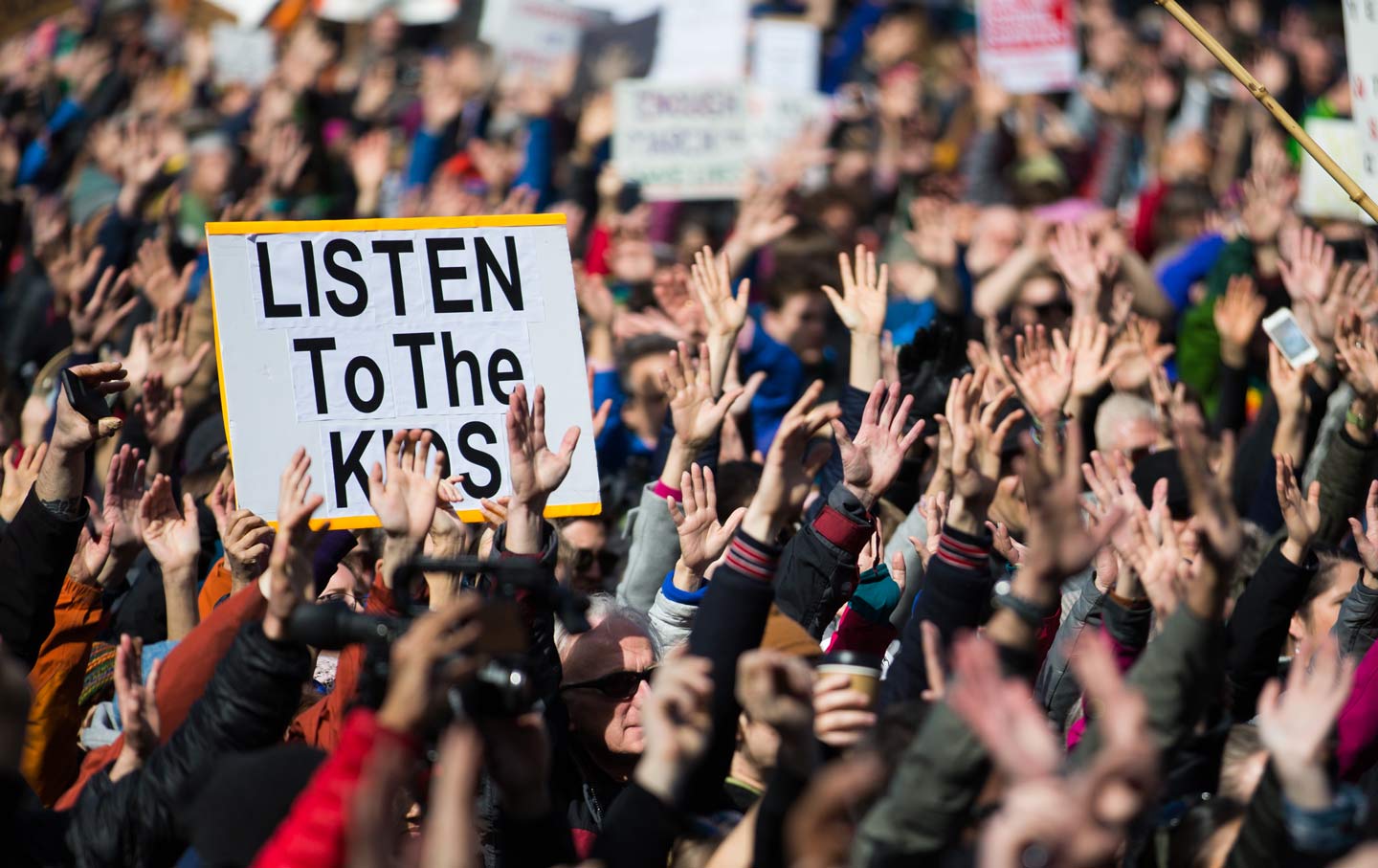
Young organizers from around the country gathered at Haley Farm to study past social movements and train in the tactics of nonviolent resistance and grassroots organizing.
Rev. Dr. Liz Theoharis and Sam Theoharis

My recent detention at Heathrow shows that the architecture of state repression knows no borders.
Momodou Taal

Universities across the country have used extraordinary measures to target student activists following more than two years of pro-Palestinian protests.
StudentNation
/
Hannah Epstein
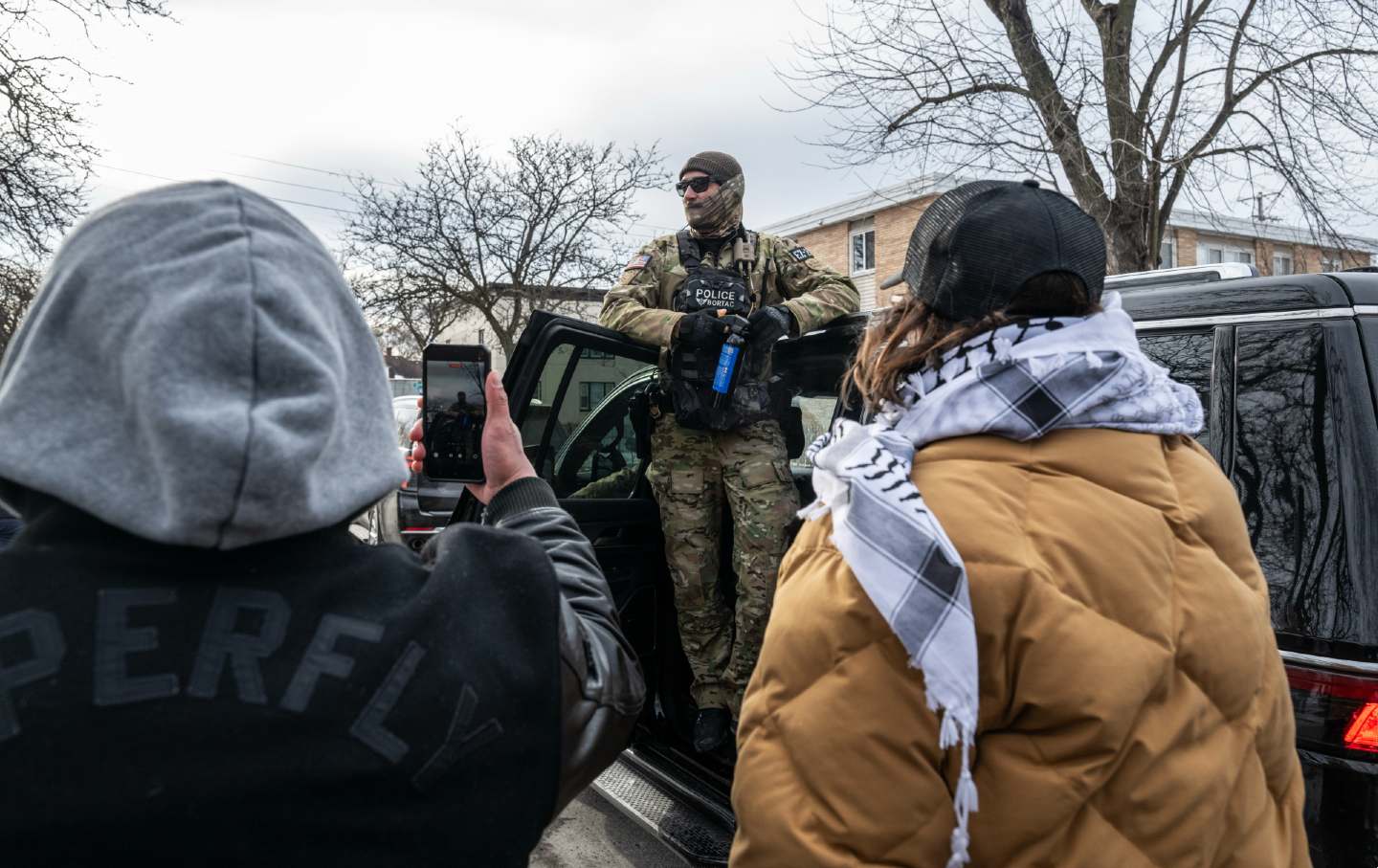
Without their videos of ICE shootings, we wouldn’t know what is really happening.
Mark Hertsgaard
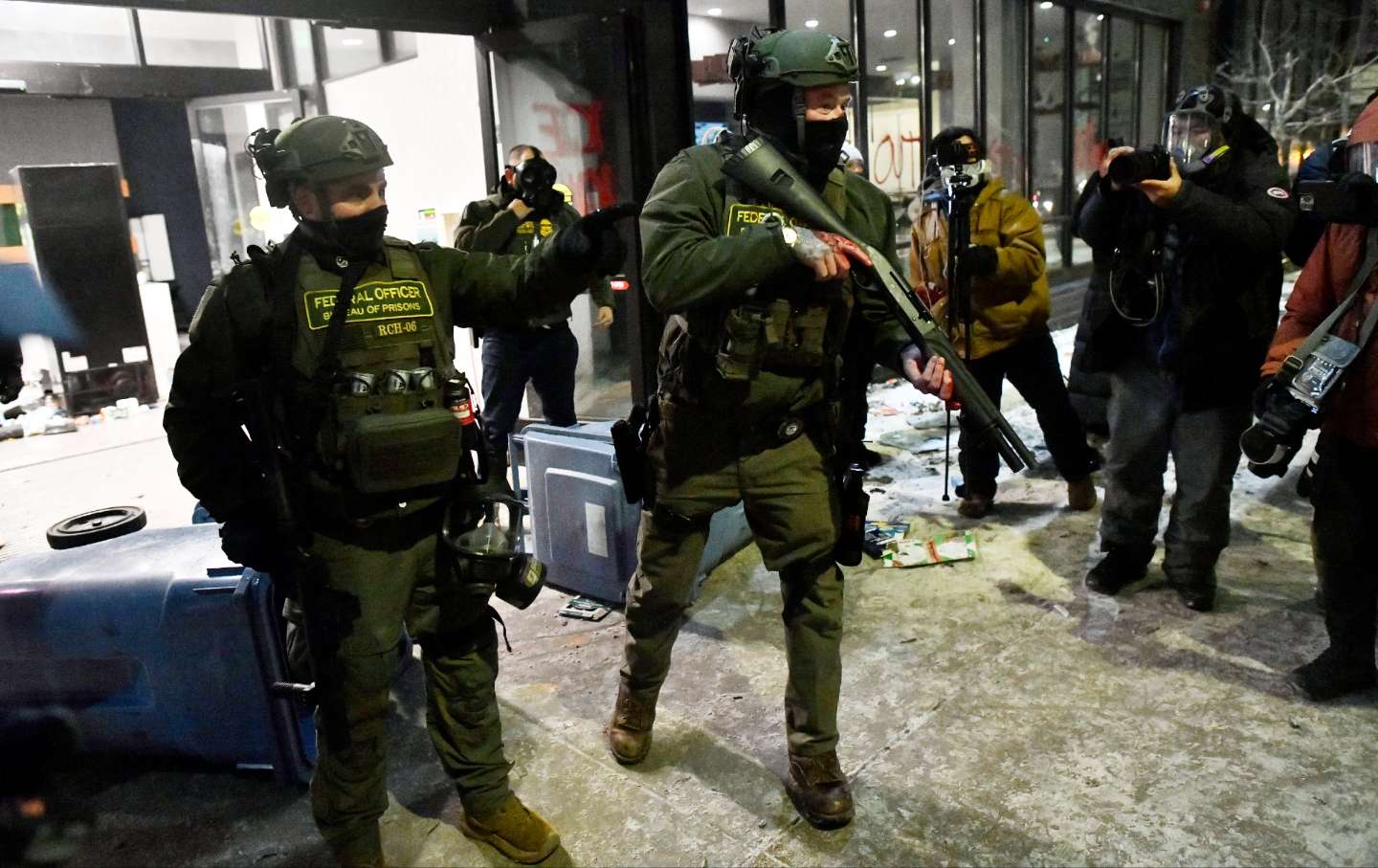
Minneapolis right now reminds me of what I’ve seen during my time in the West Bank.
Ariel Gold
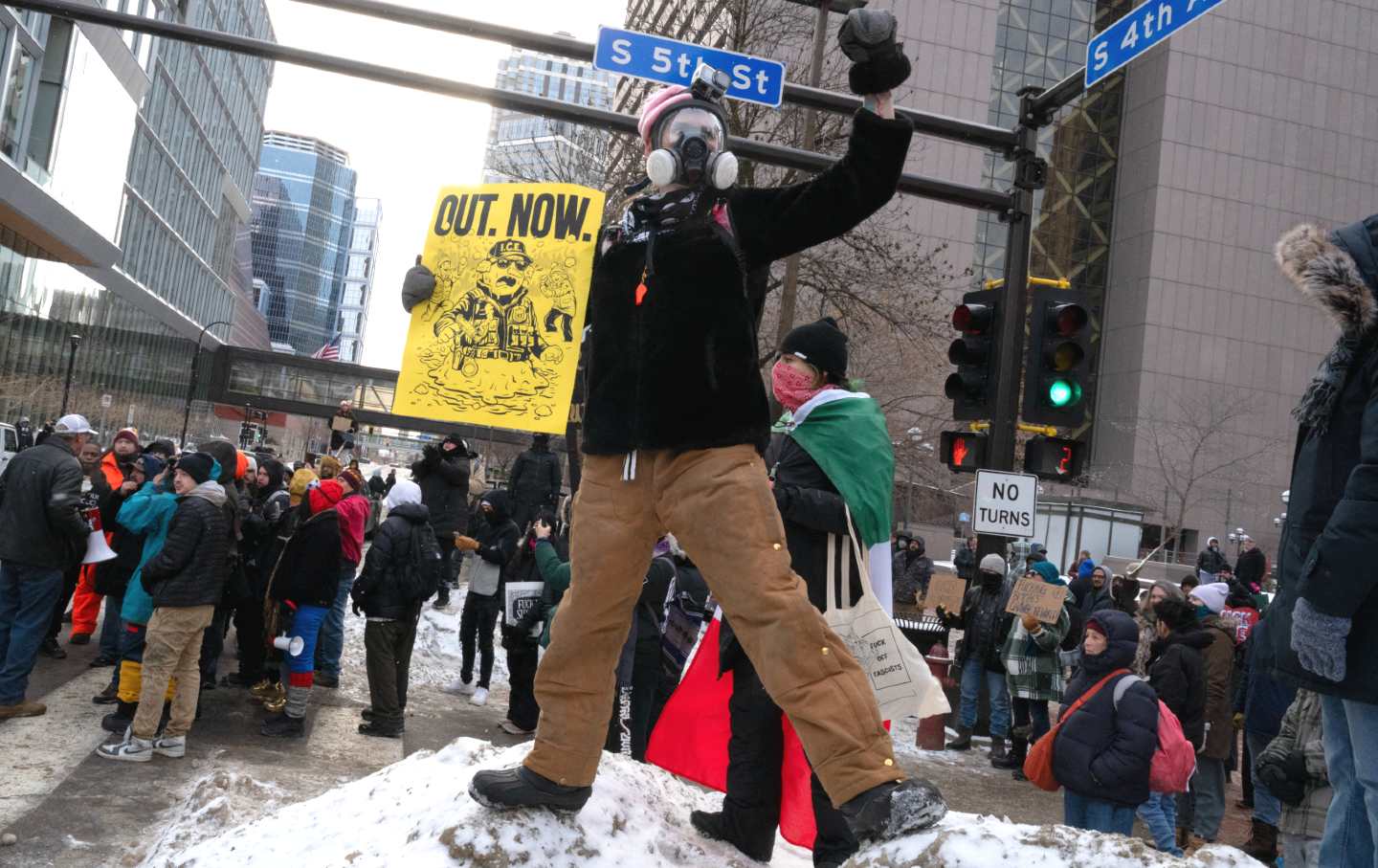
The brave protesters in Minneapolis are doing everything that Democrats and even the law have failed to do.
Elie Mystal

Felecia Phillips Ollie DD (h.c.) is the inspiring leader and founder of The Equality Network LLC (TEN). With a background in coaching, travel, and a career in news, Felecia brings a unique perspective to promoting diversity and inclusion. Holding a Bachelor’s Degree in English/Communications, she is passionate about creating a more inclusive future. From graduating from Mississippi Valley State University to leading initiatives like the Washington State Department of Ecology’s Equal Employment Opportunity Program, Felecia is dedicated to making a positive impact. Join her journey on our blog as she shares insights and leads the charge for equity through The Equality Network.


