
Racism is a “widespread” and “systemic” problem in Australian universities, a major new report has found. According to the Australian Human Rights Commission, about 80% of surveyed Indigenous, Chinese, African, Jewish and Middle Eastern students and staff say they have experienced racism at university.
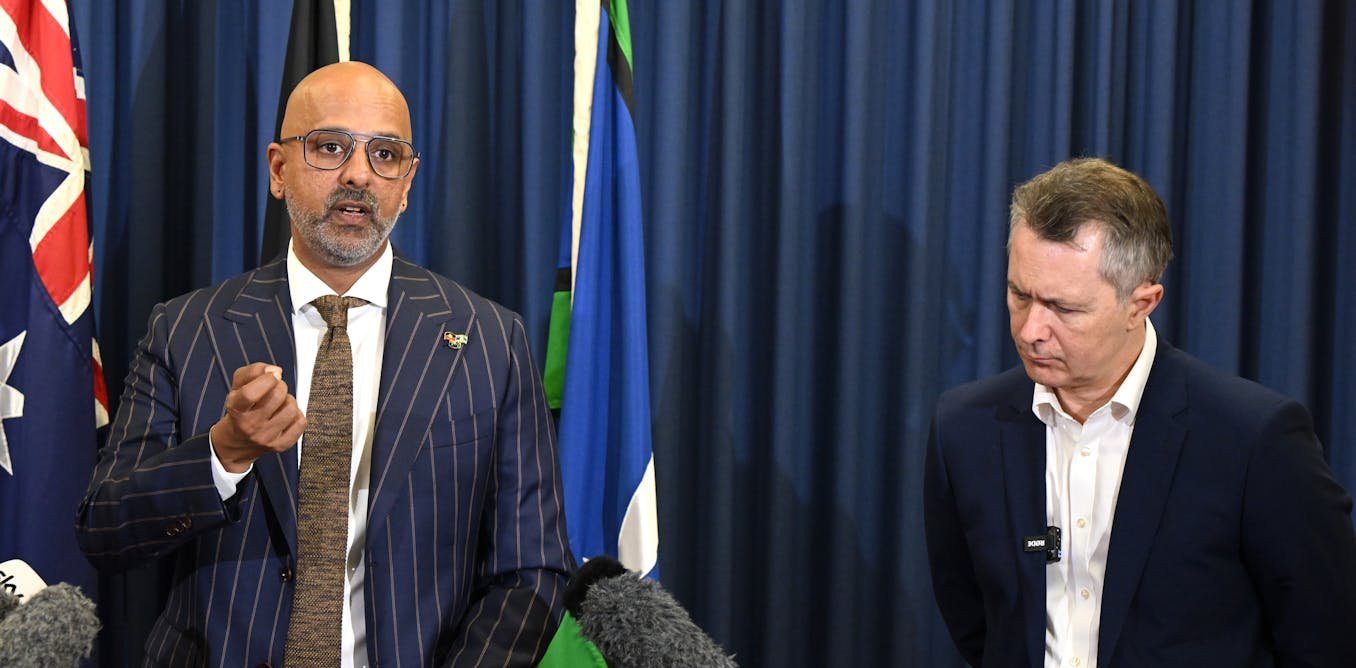
Race Discrimination Commissioner Giridharan Sivaraman described the findings in the Racism@Uni report as sometimes “harrowing reading”. He added it shows “universities have not met their duty of care”.
What is happening on Australian campuses? And what can be done to fix it?
What did the report find?
This report was commissioned in response to a recommendation from the 2023 Australian Universities Accord final report. It follows an interim report in December 2024 which also found serious problems with racism.
This final report is based on a survey of more than 76,000 students and staff at 42 Australian universities. The survey asked about experiences of racism over the past two years at university. There was also a focus groups with 310 participants. It found:
-
almost 15% of all respondents reported experiencing direct interpersonal racism at university
-
almost 70% reported experiencing indirect racism at university, such as hearing or seeing racist behaviour not aimed at them personally, but directed towards the racial, ethnic, cultural or religious group with which they identify
-
almost 20% of those who did not report experiencing direct or indirect racism at university said they had witnessed racism directed at others at university.
Racism was reported at all universities at similar rates, indicating this is a systemic issue. Students said the racism happened in lectures, tutorials, via marking and elsewhere on campus. Staff said it also happened in meetings and performance reviews. It included being singled out or excluded, racist jokes and comments.
What is the impact?
Some respondents reported their experiences of racism led to them them limiting their participation at university and had negative impacts on their mental health and studies.
Jewish, Israeli, Palestinian, Muslim and Middle Eastern staff and
students told researchers they experienced unprecedented levels of racism during the Israel-Hamas war. As a Middle Eastern staff participant shared:
I’ve never seen it worse than this. In terms of suppressing or the
fear around expressing views in university if you’re from the Middle
East.
A Jewish student similarly shared how things were worse than ever:
I’d encountered antisemitism before, but I had never been scared
to be Jewish. In uni, I frequently feel the need to hide my religion.
What are the recommendations?
The report’s 47 recommendations include:
-
a national framework to address racism in universities
-
better training and complaints processes to ensure universities are free from racism
-
more public oversight of racism incidents and anti-racism measures at universities
-
curriculum reform, to embed First Peoples’ knowledges, scholarship and texts across all disciplines
-
targets and accountability measures to improve workforce diversity in unis.
This problem is not new
Events overseas and domestically, such as the devastating war in Gaza and Bondi terrorist attack, have provided the context for much of the recent discussion on the rise of racism. But racism on campuses is by no means exclusively linked to such recent events.
Over the last few decades, many studies and social surveys have reported persistent discrimination against certain racial groups. This includes exclusion from leadership and workforce representation.
This new report rightly acknowledges racism in Australian univesrities does not just involve interpersonal encounters, but systemic problems. This means power and representation structures need to be changed in higher education.
The report particularly touches on this in its fifth outcome – which seeks to boost diversity in university leadership and workforce.
What do we need to remember?
Of course much will depend now on how government and universities respond to these findings, which are addressed to them both. Federal Education Minister Jason Clare said he would now “consider” the recommendations.
In dealing with racism on university campuses as elsewhere in society, there must be clear guiding principles and laws. These can be applied in relation to all forms of racism, to avoid claims or concerns one form of racism is prioritised over another.
As governance experts argue, trust can be restored in our unis when there is genuine commitment to tackling racism and discrimination in all their forms.
A challenge ahead
Finally, it is absolutely imperative that in the pursuit of a robust anti-racism strategy, universities are also able to to ensure academic freedom and freedom of speech.
This means students and staff are able to express their views on domestic and international affairs without fear of being harassed or prosecuted. As the report notes, “academic freedom must enable robust discussion” while also providing a learning environment free from racism.
This can be difficult in practice. As the report notes,
[universities] face the challenge of creating respectful learning environments while allowing some discomfort in engaging with difficult ideas.
As the report recommends, this can be improved if more students and staff are given anti-racism and cultural competency training.
What do unis do?
In 1987, former education minister John Dawkins observed of universities:
we must ask the institutions themselves what they see as their role in the social, cultural and economic lives of Australians, and ask them to examine how effectively they are discharging their roles.
This question has become even more pressing as our community tackles challenges to social cohesion. This new report raises the stakes even higher. It demands university leadership strikes the right balance between anti-racism and freedom of speech, so legitimacy and trust are both maintained.
Or, as the report notes,
[universities] must be accountable for creating safe environments, free from discrimination, and where academic freedom is balanced with respect.

Felecia Phillips Ollie DD (h.c.) is the inspiring leader and founder of The Equality Network LLC (TEN). With a background in coaching, travel, and a career in news, Felecia brings a unique perspective to promoting diversity and inclusion. Holding a Bachelor’s Degree in English/Communications, she is passionate about creating a more inclusive future. From graduating from Mississippi Valley State University to leading initiatives like the Washington State Department of Ecology’s Equal Employment Opportunity Program, Felecia is dedicated to making a positive impact. Join her journey on our blog as she shares insights and leads the charge for equity through The Equality Network.


