
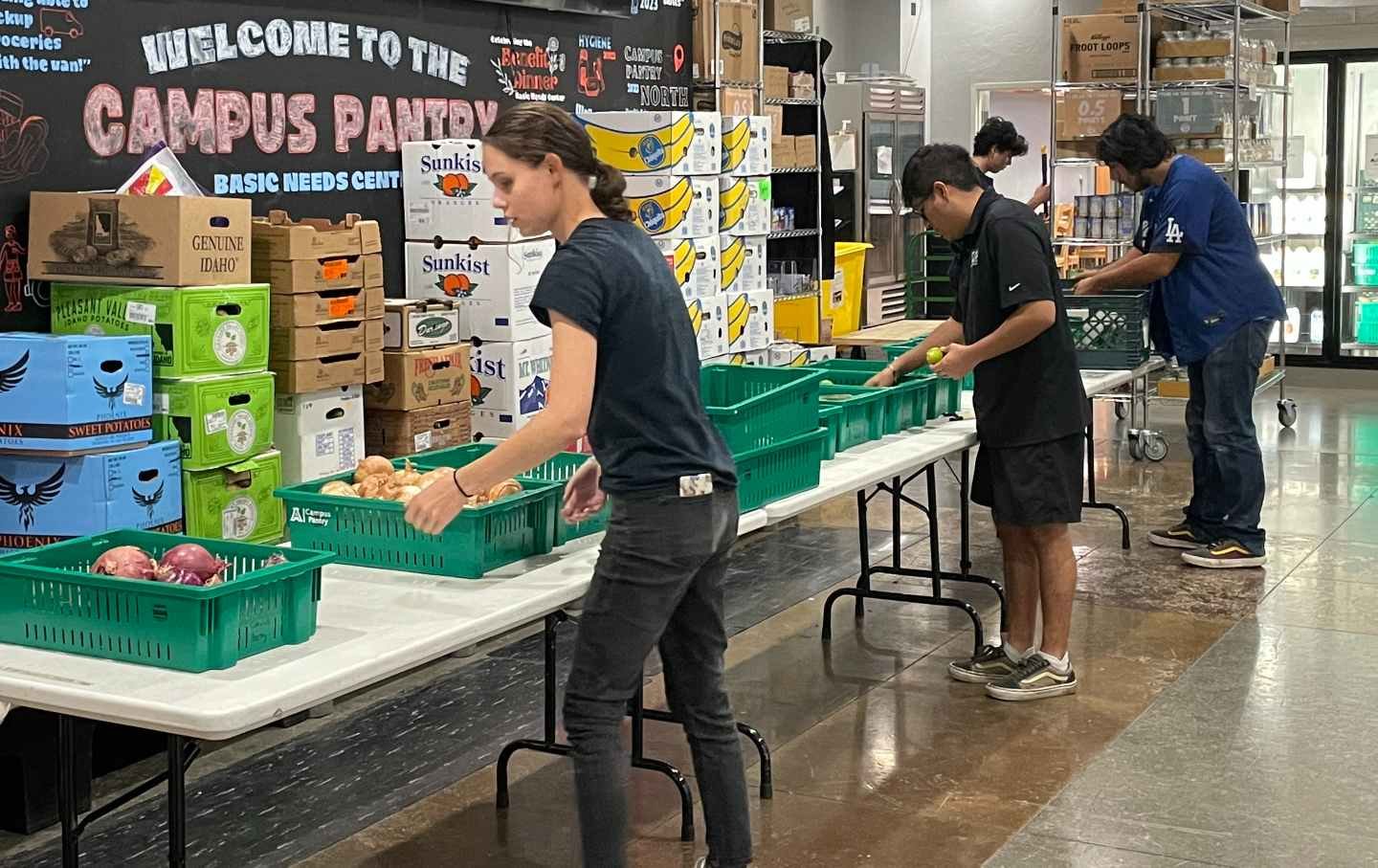
They told me they were custodians at the nearby university dorms. “Must be a tough job,” I said, to which they replied by nodding emphatically.
As we continued to wait, the one who spoke the best English agreed to an interview with me. She requested a pseudonym—Maria—because her supervisor had restricted how often she and her coworkers could visit the food center, so as not to compete with their work hours.
Popular
“swipe left below to view more authors”Swipe →
Originally from Hermosillo, four and a half hours south of Tucson in Sonora, Mexico, Maria told me she worked on campus for 11 years. She was proud to be providing an education to her two kids—an 18-year-old freshman and a 21-year-old senior—since the UofA, like nearly all US colleges and universities, gives a tremendous tuition break to full-time employees and their dependents. But although Hispanic students like Maria’s kids are enrolled at the University at a much lower percentage than white students, they comprise one of the highest demographics of students who utilize the Pantry. (This is compounded by the 32 to 52 percent of all UofA students who reported experiences of food insecurity over the course of an entire generation.)
Maria, like her coworkers, is not on food stamps, but wishes she could be. “I could use [SNAP benefits] because everything is so expensive now with this president,” she said, clutching a mustard-colored backpack over an empty black handbag, both of them ready to be filled with food items once the center opened in the next few minutes: “This year has been so hard.”
But her wages do not rise with the rising costs, she explained, and she does not qualify for food aid because she and her husband, a handyman, despite holding low-paying jobs, together make just over the income required to qualify. Even when her husband was laid off several months before, she added, they were still not granted food aid, although he was able to collect some unemployment benefits. According to the Pantry, people like Maria, between 45- and 54-year-olds, make up the largest non-student population that uses the program.
I know the feeling of one’s earnings never quite being enough, as a single, formerly unhoused person who qualifies for SNAP due to my low-paying profession as a journalist—where, amid increasing media layoffs and expanding “news deserts,” a full one-third of journalists are now estimated to be freelancers.
Twenty twenty-four and 2025 were two of my best years yet in terms of professional achievement: I had news and literary fellowships and part-time employment from mainstream media outlets. But it still wasn’t enough to keep me housed in Arizona. Full-time work kept me afloat to afford food, but housing costs—especially after two evictions—overwhelmed my bank account, causing me to constantly move between Airbnbs and friends’ couches (and occasionally, much less comfortable situations), as I reported on public interest stories ranging from ultra-right-wing efforts to dismantle public education to the US/Israel war on Gaza, to nonprofit corruption on the border, to working-class homelessness, to mass shootings.
A few weeks into October, I took a hesitant breath of relief when a federal judge ordered the Trump administration to pay for food aid during the shutdown. But it wasn’t clear how long it would take for the funds to become available—or if the administration would fight the order, which would delay things further and ensure the suspension of food aid in the interim. Sure enough, the Trump administration made a last-minute “emergency” bid to the Supreme Court, which partly sided with Trump, blocking the lower-court order to fully fund SNAP just as residents had begun to receive benefits.
And yet, at the 11th hour a new, cold missive from the same state welfare office that had notified me on October 24, 2025 of the suspension of food assistance announced a reversal of course: “On November 7th, 2025, USDA approved the issuance of full November 2025 NA benefits. DES expects benefits to be available to clients beginning as early as November 7, 2025.” (Even after the shutdown ended however, the Trump administration continued to try to restrict SNAP qualifications by demanding that states hand over data on aid recipients, including their immigration status.)
After saying goodbye to Maria and thanking her for speaking with me, I loaded my food items —an onion, a lime, four bananas, and some boxed dinners—into the wire basket on my bike and rode away to drop them off at the place where I was staying. I had lost count of the spots I had been bouncing between in the last several months—up to two dozen—yo-yoing between housing insecurity and outright homelessness.
Popular
“swipe left below to view more authors”Swipe →
In a way, it’s like the pandemic never ended: Every day, your goal is to meet basic needs, in a life-or-death struggle. But thankfully, some positive outcomes remain. In early spring, 2020, mutual aid groups—like tenants’ rights unions—sprouted nationwide to levels greater than before. Many are still functioning halfway into the 2020s.
“Gabb!” a voice called from a passing vehicle. I turned but the driver’s face had also passed. The vehicle made a U-turn, bringing the driver’s face into view: It was Brandon—a volunteer with Tucson Food Share (TFS), with whom I had been a food aid volunteer during the pandemic, in between reporting on the pandemic as a journalist.
Brandon was doing a food delivery right now, he said. The timing was uncanny. Could I ride along? I said I was reporting on the current state of food aid, amused by the coincidence of crossing paths with him like this after so long.
“Of course!” He motioned to jump in. I locked my bike to a road sign and opened the door.
Going from Campus Pantry to Tucson Food Share highlighted many similarities between the two programs, though with different organizing models. Campus Pantry operates through a director who presides over various coordinators who act as chairs, with volunteers at the bottom. Tucson Food Share, meanwhile, practices as a nonhierarchical structure common among leftist organizing groups: the larger group decides an overall direction and divides themselves into volunteers who do intake to organize delivery requests; others who prepare food boxes and hand them off to volunteer drivers who disburse the food. Today, Brandon, who normally is just part of the prep group, volunteered to be a driver to cover for a driver who couldn’t make it.
Now five years older than last time I saw him at the Tucson Food Share house, Brandon was just as I remembered: the jolly face and finely groomed beard. All black-clad in pants and sweatshirt, an arm of his dark sunglasses was hooked into the collar.
As soon as I closed the door and we started moving, old memories of our work together fluttered back to me. Back then we all had quickly become very close, in part because Brandon and our fellow aid volunteers were the only people I interacted with during the long, isolated shutdowns. The bonds of solidarity mixed with bonds of trauma. We prepared and delivered food together; we were tear-gassed by police together while disbursing food and water during the George Floyd protests.
Oddly, these nostalgic feelings of years past unleashed a pang of guilt—one that, at first, I didn’t understand. Brandon was still volunteering and I had receded to a lowly recipient. Could it be a form of survivor’s guilt I was feeling?
Back when I was volunteering, both housing and having enough food—even during a global pandemic—didn’t feel nearly as difficult as it is now. Now my priority has to be feeding myself more than it is feeding others. Maybe a part of me didn’t survive the pandemic. And the other part, which continued on, felt selfish for giving up volunteering as I transitioned into a self-imposed form of social death or abandonment of community principles—or so it seemed—in place of a constant, personal search for food and shelter.
After Brandon let me out at my bike, I looked at the food items I had collected that day and did the math. A half-gallon of milk lasts about one week—two if you stretch it. A box of cereal can last several weeks. Several assorted vegetables, a few cans and boxed meals can contribute to a few meals with leftovers. A little at a time can go a long way. SNAP picks up the difference by obtaining cheap staples like beans and rice in bulk.
But what will happen in the event of another shutdown or emergency to come, when the administration decides to “pause” food aid? Plenty of the hungriest, often very resourceful, people know which dumpsters at which grocery stores are not locked after unopened, nonexpired foods are discarded out every day; which of the churches have food pantries and which day(s) they’re open. The problem is, many get much of their food donations from USDA, which stopped services during the shutdown. So what will they do during the next crisis? (The most recent shutdown, a result of the federal government’s trying to siphon more money to DHS—though partial and much smaller than its predecessor at the end of 2025—was triggering, to say the least.)
Often the answer means looking inward and looking across from you. The groups composed of ordinary people, neighborhood by neighborhood, each engaged in mutual aid—especially when recipients are also volunteers and vice versa—are the first and last lines of defense when governments let people go hungry on purpose. The Campus Pantry and many food centers like it closed when the pandemic hit—just as the campus that runs it, closed its doors. But in March 2020, groups like Tucson Food Share and its allies, not beholden to institutional bureaucracies, were just getting started. Many have merged or grown since then.
But now that the pandemic is over and people are still in need of food, Brandon rhetorically asks the question that drives TFS and other forms of mutual aid organizing into the future, whether in times of crisis or normalcy: “How can we, like, imagine a way of getting people food that’s not in current systems or doesn’t takde monetary exchange?”
The answer to this question will define how people like all of us respond to the next crisis, and those to come. In a way, it’s already here, as I and millions of others will most likely be booted off SNAP due to the Trump administration’s new barriers placed on the program, which went into effect February 1.
Regular people must look after one another when the government fails to do so.
More from The Nation
The president went on a wild rant alleging that the justices who struck down his tariffs were part of a vast global conspiracy to destroy him.
Chris Lehmann

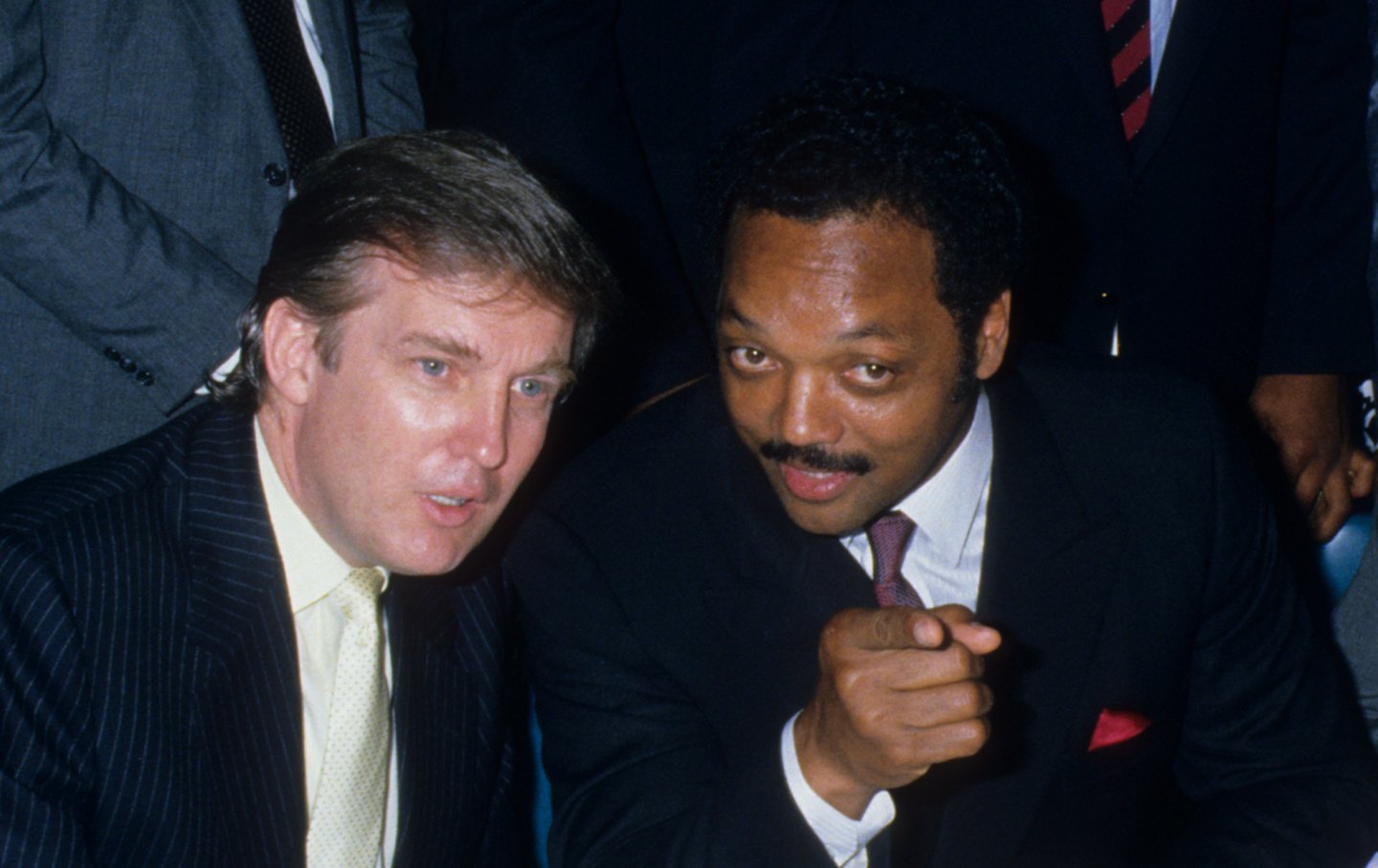
The president wants you to know he had a Black friend, sort of.
Jeet Heer
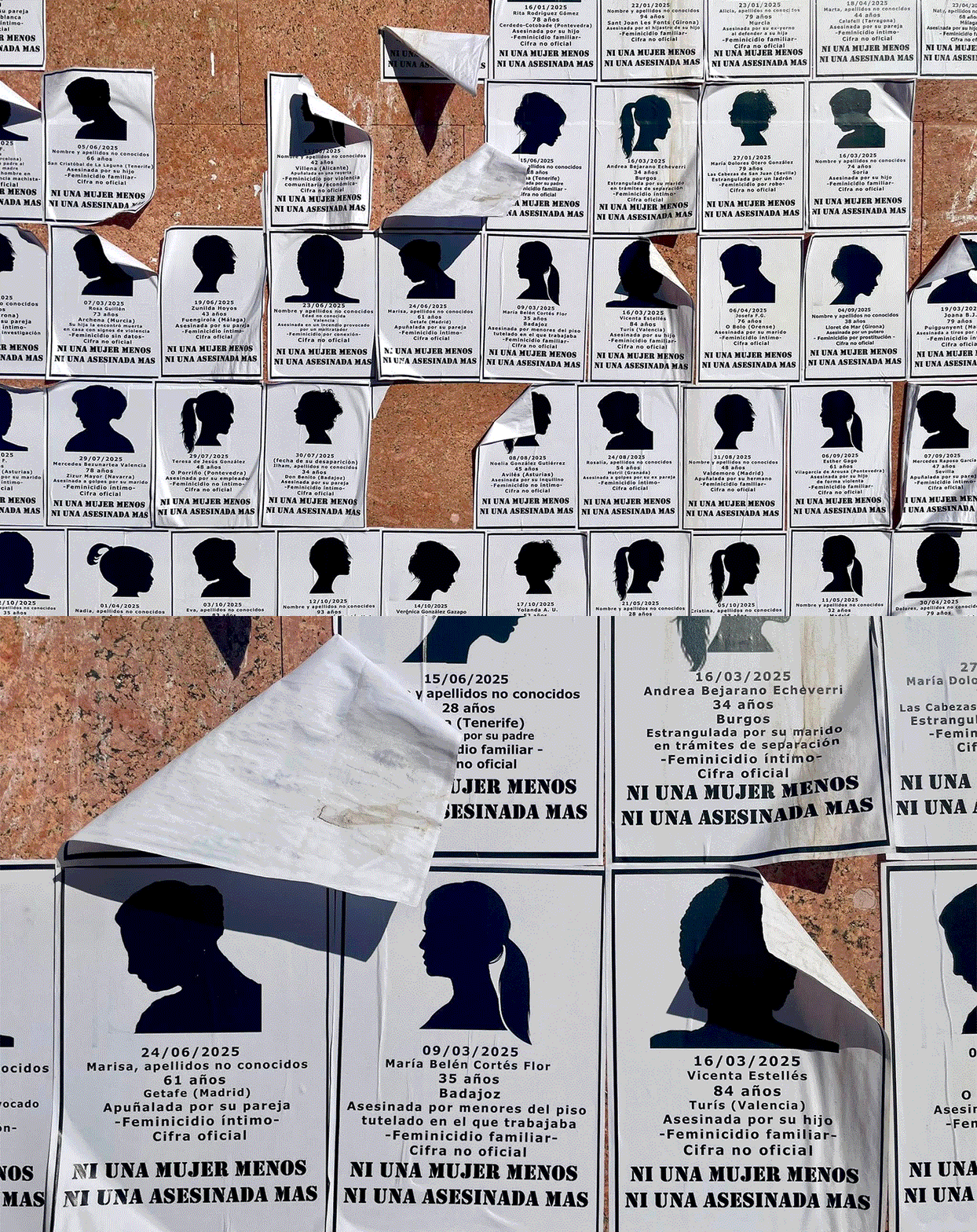
Femicide deaths in Spain spotlight persistent gender violence. Street posters, Malaga, Spain, 2026.
OppArt
/
Jacqueline Loweree
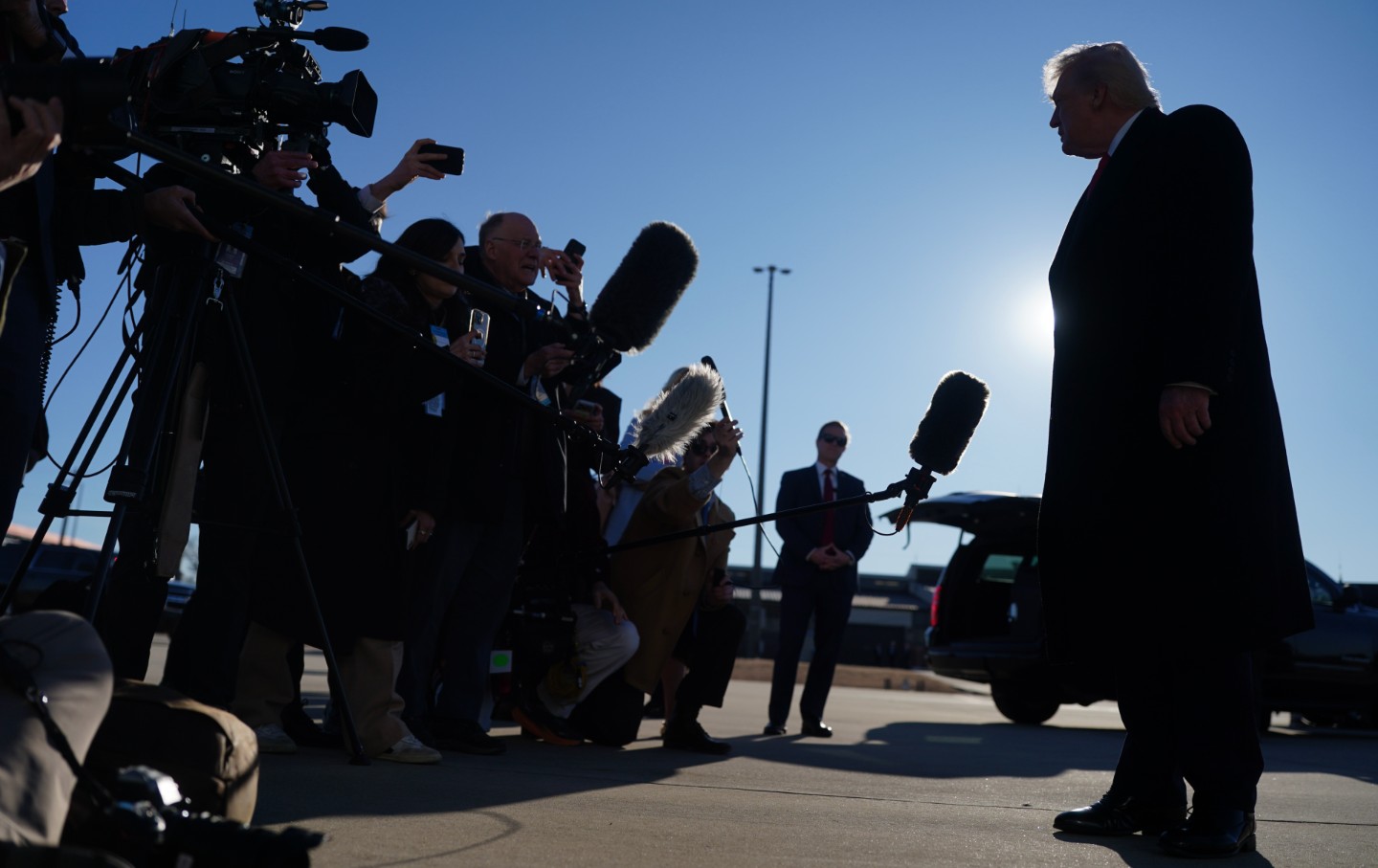
The right’s moral charade was always going to be undone by the Trump of it all.
Kali Holloway
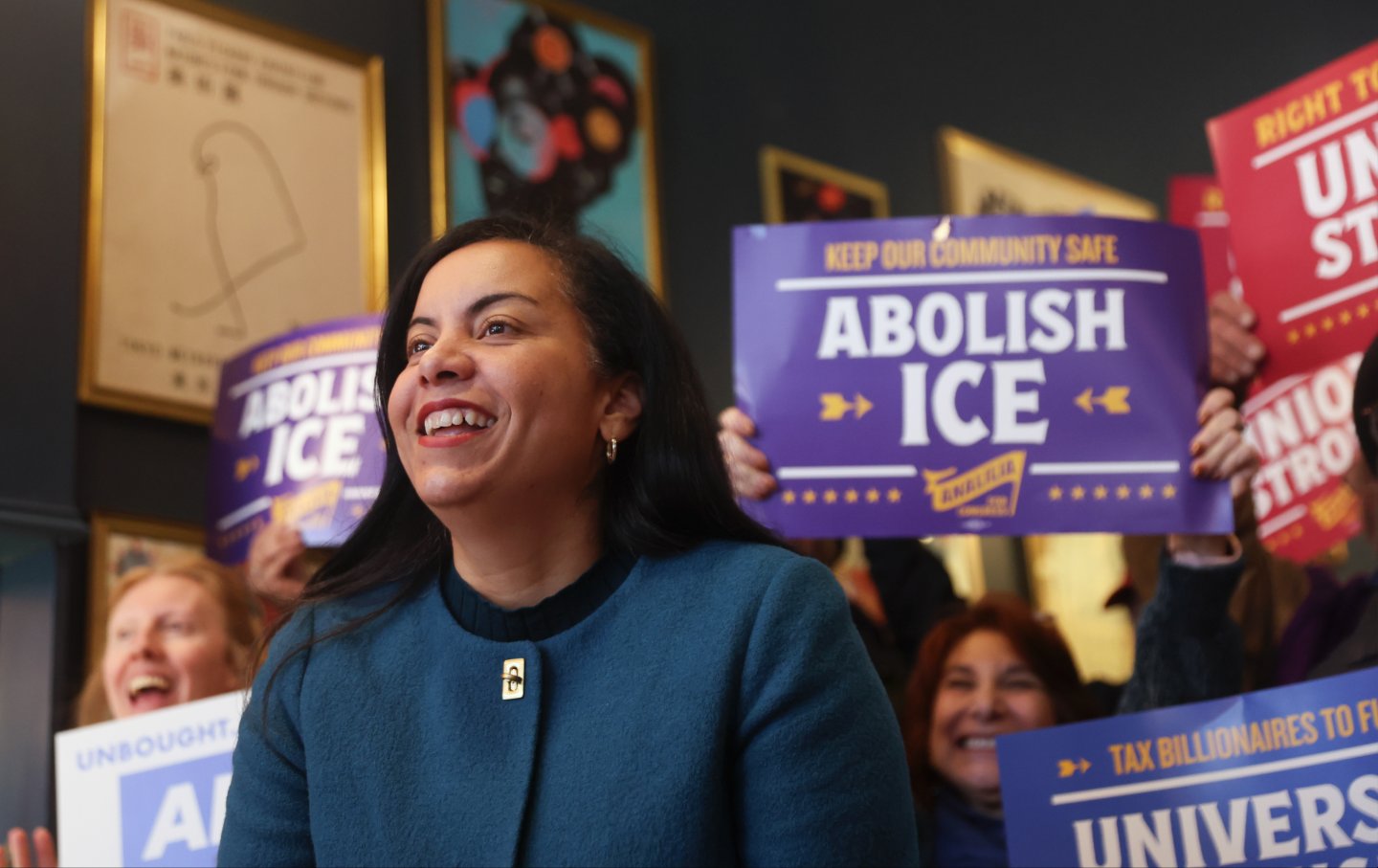
Analilia Mejia’s upset victory in New Jersey offers invaluable insights about the past and present of liberal politics in America.
Arvin Alaigh
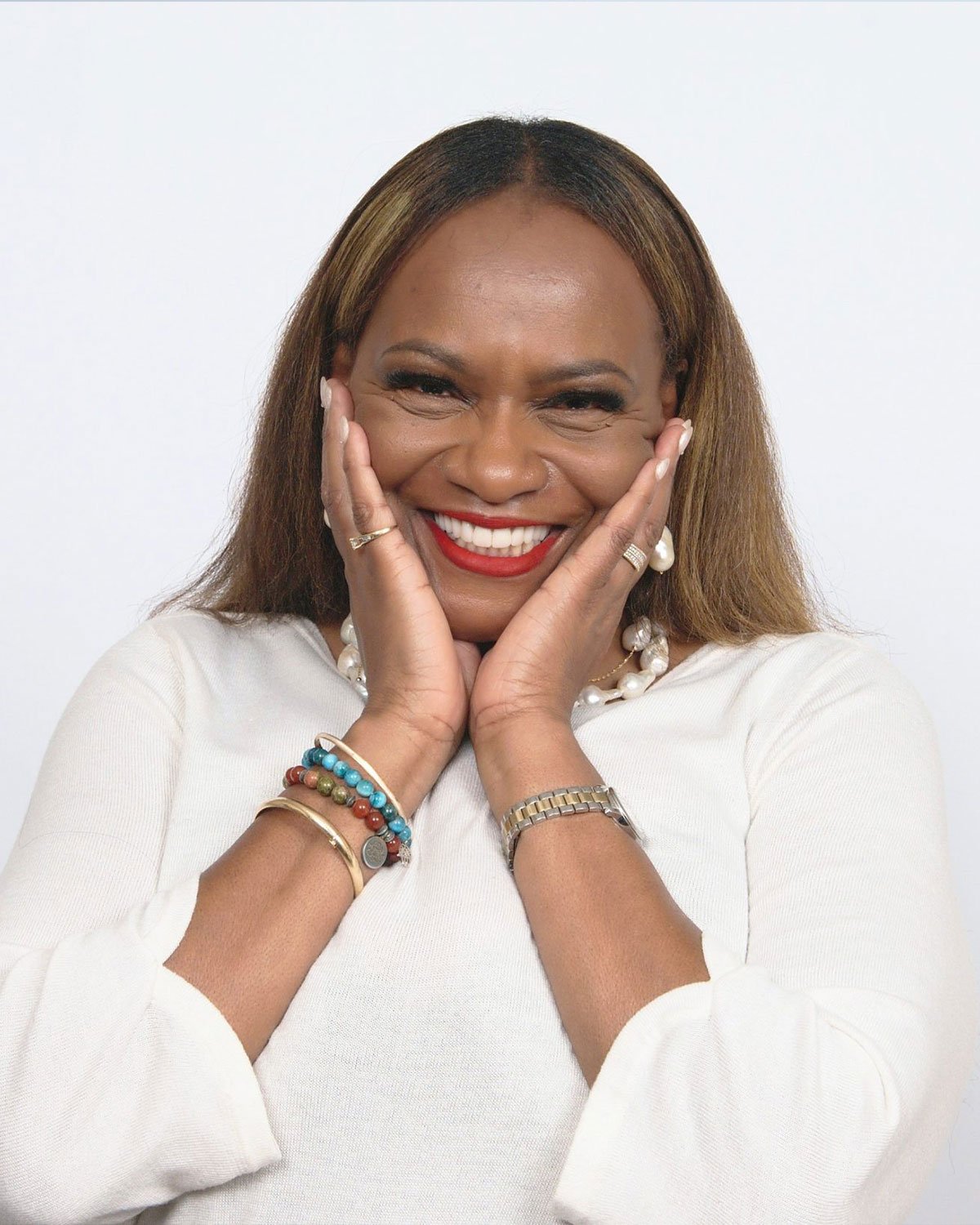
Felecia Phillips Ollie DD (h.c.) is the inspiring leader and founder of The Equality Network LLC (TEN). With a background in coaching, travel, and a career in news, Felecia brings a unique perspective to promoting diversity and inclusion. Holding a Bachelor’s Degree in English/Communications, she is passionate about creating a more inclusive future. From graduating from Mississippi Valley State University to leading initiatives like the Washington State Department of Ecology’s Equal Employment Opportunity Program, Felecia is dedicated to making a positive impact. Join her journey on our blog as she shares insights and leads the charge for equity through The Equality Network.


