
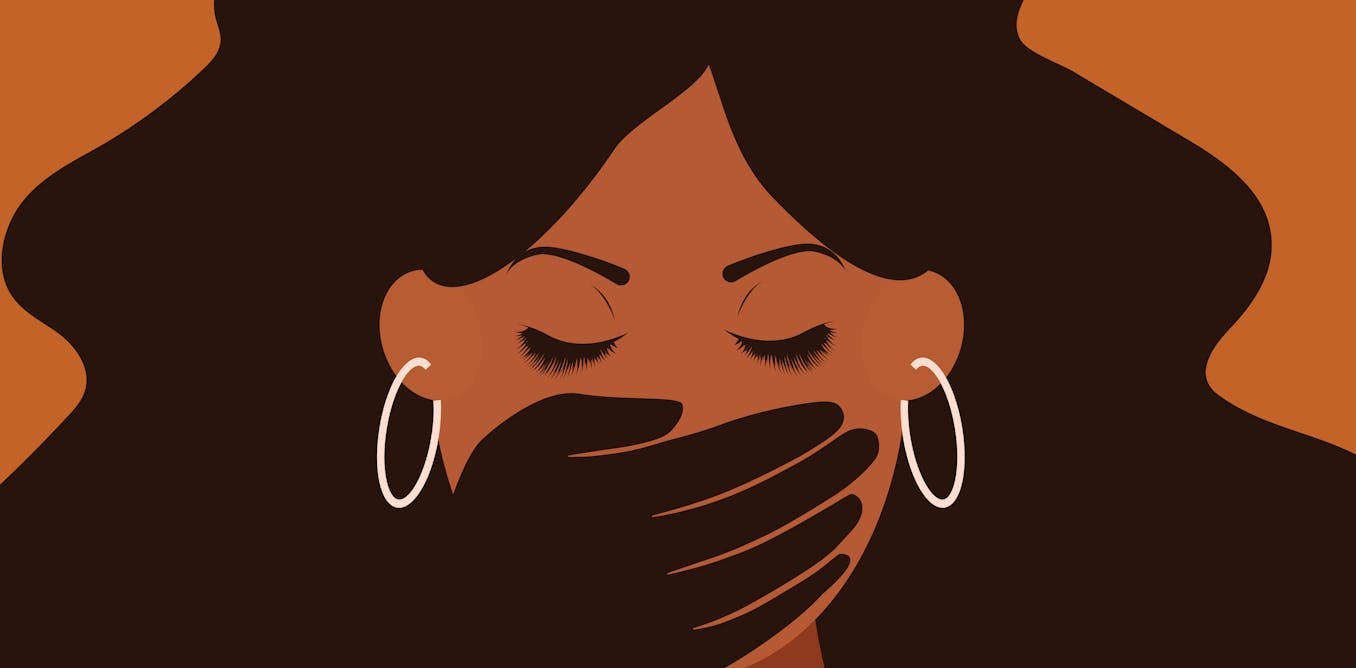
Sexual misconduct – including sexual harassment, stalking, intimate partner violence and sexual assault – is a common problem on U.S. college campuses.
According to the 2024 Higher Education Sexual Misconduct and Awareness Survey, about 1 in 5 women and transgender or nonbinary undergraduates experienced sexual assault during college. The survey included 180,323 undergraduate, graduate and professional students across 10 schools. One in 17 undergraduate men also reported experiencing sexual assault.
Despite how common these experiences are, only 16% of sexual misconduct victims reported the incident to a school resource, like campus police or a student counseling office. Among those who did seek formal support, fewer than half found the advice or support given to be helpful.
As a sociologist, psychologist and Ph.D. student who study sexual harm, we wanted to understand how members of a campus community expected their university would support students who experience sexual misconduct.
We found that many students, whether or not they had experienced sexual misconduct themselves or knew someone who had, did not trust their university to handle these situations appropriately.
Understanding people’s perceptions
In 2022, we surveyed about 2,500 students at a large U.S. university to examine their experiences and perceptions of sexual misconduct.
Before our 2022 survey, we also conducted interviews and focus groups with a separate group of 67 students, faculty and staff at the same university. These conversations provided detailed insights that helped us better understand our survey findings.
Because we were interested in general perceptions of university support, participants did not need to have personal experience with sexual misconduct.
We asked participants how they believed their university would support students who experienced sexual assault or other forms of sexual harm.
Although our questions focused on sexual misconduct, many participants brought up how their university handled other types of harm, such as racism and anti-LGBTQ+ incidents. They used these observations to surmise how they believed university officials might respond to sexual misconduct.
Jason Ardan/Citizens’ Voice via Getty Images
Lacking trust in their schools
Research shows that anywhere between 50% to 90% of college students who experience sexual assault also feel institutional betrayal.
Institutional betrayal refers to situations in which people feel their school or another institution failed to protect them from harm or to respond adequately after harm occurred.
Both sexual misconduct and institutional betrayal are linked to anxiety, post-traumatic stress symptoms and other negative mental health outcomes.
While some participants shared their own experiences of sexual misconduct, many displayed what scholars call secondary institutional betrayal. This occurs when people feel betrayed based on how they see their institution respond to others who have been harmed.
Anticipating a negative response
Many of those we talked to said they believed their university often responded inadequately to sexual misconduct.
Participants in our interviews and focus groups also pointed to what they saw as inadequate responses to other types of harm.
For example, multiple participants described their university failing to reprimand a student group for using words like “degeneracy” and “deviant” to publicly shame LGBTQ+ students.
Participants felt that their university’s failure to address harmful behavior signaled a lack of support for victims of sexual misconduct.
“If the university isn’t going to socially advocate for these students in terms of injustice and discrimination, what makes us think that they would trust us and validate us in situations of sexual violence?” one student said.
A common theme from our interviews and focus groups was that participants believed their university avoided addressing harmful behavior because administrators prioritized the institution’s reputation over student well-being. They described the university as risk-averse, seeking to stay out of the news and avoid lawsuits.
In the words of one participant, the university does more to exercise “damage control” than to “try and help the victim.”
Different kinds of harm are connected
Our study was conducted with a small sample on a single campus.
However, we suspect that our findings may be valuable to other college campuses.
Research shows that different forms of harm are connected: Sexual misconduct is more common on campuses where more students report discrimination based on marginalized identities.
For this reason, some scholars have recommended addressing sexual misconduct and discrimination simultaneously.
This approach may become more difficult in light of a 2025 Trump administration executive order banning diversity, equity and inclusion initiatives. Since the order was issued, universities have largely eliminated programs that support marginalized students. For example, some campuses have closed women’s centers and multicultural centers, leaving fewer avenues to report discrimination.
Universities could explore other ways to promote inclusion and protect students from harm.
For instance, universities could hold community meetings to better understand students’ experiences of harm on campus. They could also reach out to students and other community members to gather ideas for improvement.
These suggestions are starting points and have not yet been formally tested. It is important for campus administrators and researchers to evaluate strategies that prevent harm – both physical and otherwise – and to strengthen trust across the campus community.

Felecia Phillips Ollie DD (h.c.) is the inspiring leader and founder of The Equality Network LLC (TEN). With a background in coaching, travel, and a career in news, Felecia brings a unique perspective to promoting diversity and inclusion. Holding a Bachelor’s Degree in English/Communications, she is passionate about creating a more inclusive future. From graduating from Mississippi Valley State University to leading initiatives like the Washington State Department of Ecology’s Equal Employment Opportunity Program, Felecia is dedicated to making a positive impact. Join her journey on our blog as she shares insights and leads the charge for equity through The Equality Network.


